


Teen Athletes Speak Out on Concussions
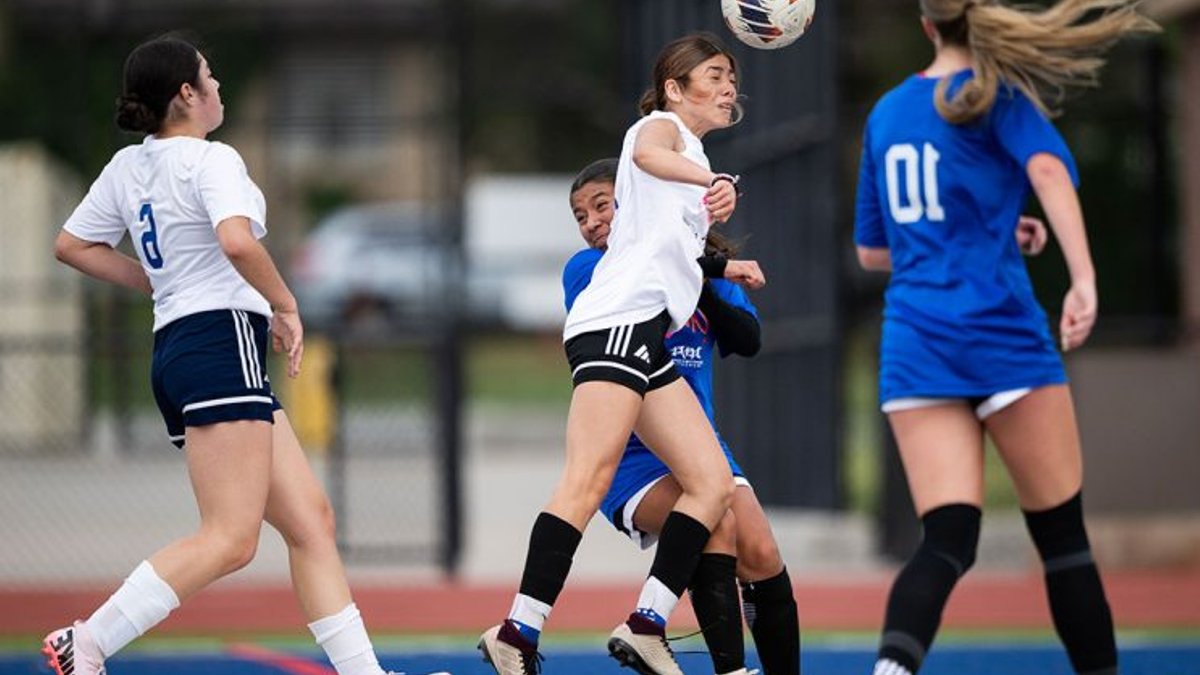
As a teen athlete, I’ve learned that concussions can have a significant impact on our mental health, not just our physical well-being.
Every soccer season, athletes like me are taught to watch for headaches, dizziness, and blurred vision after a concussion. However, many of us are not aware that a concussion can also affect our mental health. Like millions of young athletes nationwide, I have played sports since I was 4 years old.
Soccer has been a big part of my life for as long as I can remember. Sports have taught me to show up, work hard, and keep going even when things are not easy. They didn’t teach me that brain injuries don’t always show up as physical symptoms.
Today’s concussion conversation focuses heavily on when athletes can return to play. It spends far less time preparing families for what can happen emotionally after a concussion. Parents are taught to watch for headaches and dizziness. Coaches are trained to recognize physical symptoms. Athletes are evaluated before returning to play. But when it comes to mental health, student-athletes are often left with little awareness and far less support.
For my family, this isn’t an abstract policy debate. My older sister, Alyssa Peterson, died at age 13 during a mental health crisis after experiencing multiple concussions starting in 2017. In the years that followed, I watched my family search for answers as we learned more about the emerging science surrounding concussions and mental health.
The evidence led us to advocate for Alyssa’s Youth Concussion and Mental Health Protection Act (Alyssa’s Act) in Colorado, which expanded concussion education to include mental health awareness. The goal was simple: to help ensure coaches and families know what to watch for so young athletes can get support when they need it.
Following a legislative hearing on Alyssa’s Act, I remember rushing to soccer practice, thinking about whether my coaches and teammates knew to watch for mental health changes after a concussion. Then Alyssa’s Act passed this May. Colorado became the first state to require that mental health be included in concussion education.
Related: What Are The Types of Managed Hosting Services?
But the conversation shouldn’t be limited to Colorado. It’s time to stop treating mental health as an afterthought in concussion recovery. Most families simply don’t know that concussions can also lead to changes in mood, anxiety, depression, irritability, and social withdrawal. Researchers have been warning about this for years.
A 2014 study published in the Journal of Adolescent Health found that, among more than 36,000 adolescents, teens with a history of concussion had more than three times the odds of having a depression diagnosis compared with those without a concussion. As a high school athlete, I am grateful that conversations about concussion awareness are growing.
My hope is that those conversations continue to expand so that mental health is part of the discussion from the beginning, not something families discover only after they are struggling. Protecting athletes and supporting sports participation are not competing goals. Better information makes sports safer and stronger.
Brain health and mental health are not separate conversations. We don’t have to wait for every scientific question to be answered before acting on what we know. Every family deserves to understand that concussion recovery includes paying attention to mental health.
My hope is that more families and student-athletes like me understand that concussion recovery isn’t only about getting back in the game. Colorado became the first state to expand concussion education to include mental health awareness. It shouldn’t be the last. My sister can’t benefit from what we know today. The next family can.
With the World Cup bringing attention to soccer, I hope we also pay attention to what young athletes need after a concussion: support for their mental health, not just a plan to return to play. This support is essential for their well-being.
